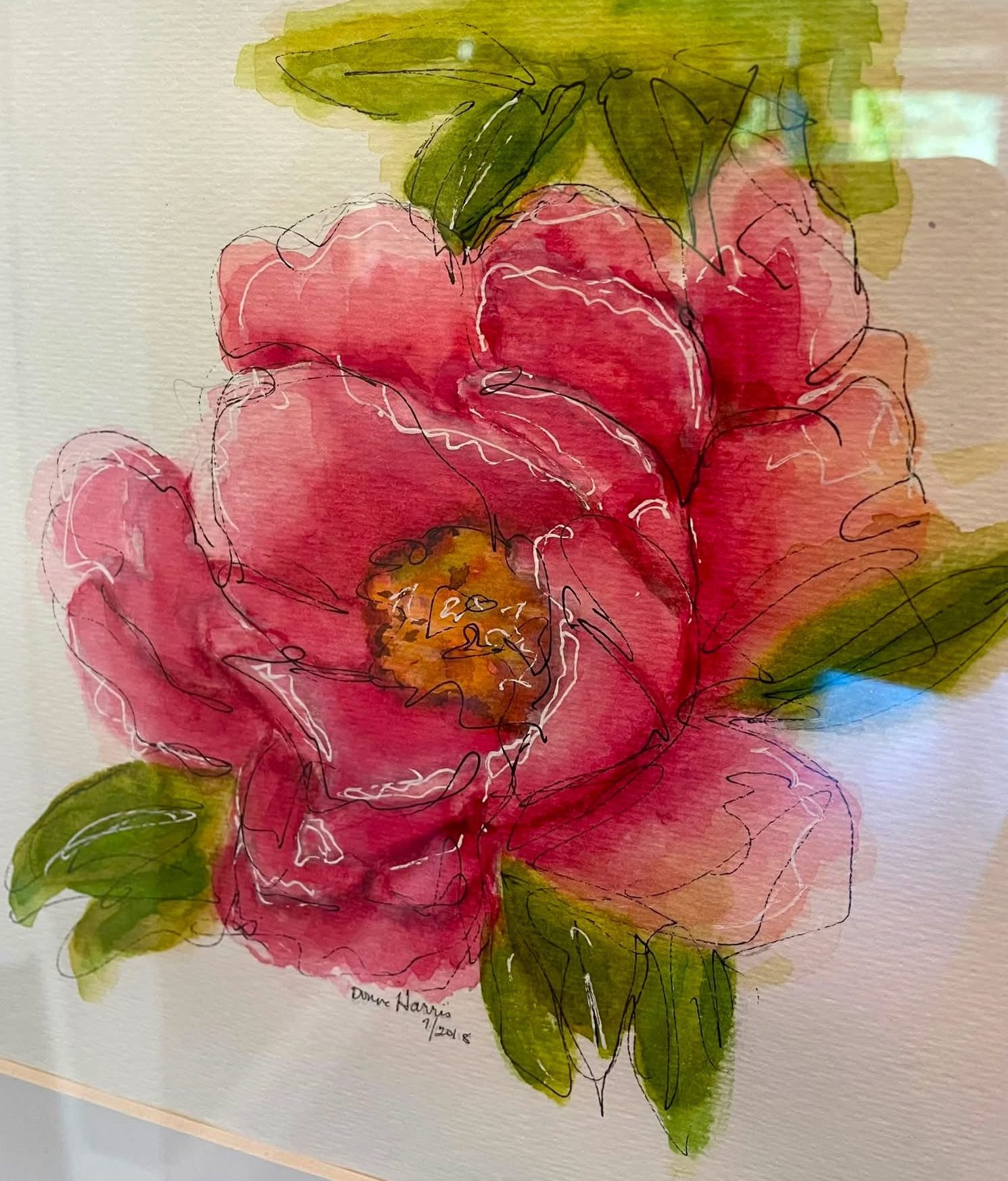
“Take the very hardest thing in your life…the place of difficulty, outward or inward, and expect God to triumph gloriously in that very spot. Just there, He can bring your soul into blossom.” — Lilias Trotter
Most of us have a quiet theology of relocation. We believe, somewhere beneath the surface, that God’s best work happens after the hard thing…once the diagnosis clears, the relationship heals, the job comes through, the season passes. We picture flourishing as something waiting for us on the other side of difficulty, like a reward for having endured it.
Lilias Trotter offers a different picture entirely. Not eventually. Just there. Notice what she doesn’t say. She doesn’t say God will eventually move you somewhere easier and then cause you to flourish. She says: expect Him to triumph in that very spot. The exact place of your difficulty…not the place after… it is where the deepest work happens.
This is a strange kind of hope, because it asks nothing of our circumstances changing. It locates the miracle inside the hard thing, not on the far side of it. The pain isn’t merely the price of admission to something better later; it can be the very ground where blossoming occurs.
Trotter is also careful to say “outward or inward.” We tend to reserve the word suffering for outward, visible things…illness, loss, financial strain, conflict. But she includes the inward places too, the ones we’re often ashamed to name:
• A relationship that quietly wounds you
• Grief that hasn’t finished its work
• A habit or pattern you’ve tried and failed to break more times than you can count
• Fear that shadows ordinary decisions
• Doubt that won’t resolve into certainty
• Resentment you can’t seem to release
• Shame that outlives the thing that caused it
• A silence from God that feels less like peace and more like absence
None of these show up on a hospital chart or a bank statement, but they are every bit as real as the outward difficulties, and every bit as eligible for this promise. God’s triumph isn’t reserved for the visible battles.
There is also the audacity of “expect”…The word that does the heaviest lifting in this quote is expect. Not hope, wish, or pray for…expect. Expectation carries weight; it leans forward. To expect God to triumph gloriously in your hardest place is to make a quiet declaration against despair…before there’s any visible evidence to support it.
This is not naive optimism. Trotter herself gave her life to serving among people in desperate circumstances in North Africa; she wasn’t a stranger to hardship or slow, hidden work. Her expectation was forged in exactly the kind of difficulty she’s describing, not in the absence of it.
More than just survival…not that we would endure the hard place, not that we’d merely get through it intact, but that our soul would come into blossom there.
Blossoming is not neutral; it’s abundant, unhurried, and unmistakably alive. It’s the language of beauty, not just resilience.
This is the deeper claim underneath the whole quote: that God doesn’t simply rescue us from our hardest places. He can make something beautiful of them. Beauty from ashes, as Isaiah puts it…not beauty instead of ashes, but beauty rising out of the very ashes themselves.
So if there’s a place in your life right now…outward or inward…that feels most like barren ground, Trotter’s words are an invitation rather than a diagnosis. Not: endure this until it ends. But: expect God here. In this. Right where you are.
There is always more grace in the very place of difficulty than we tend to believe. And sometimes the hardest place in our lives isn’t standing between us and the blossoming…it is the ground it’s growing in.
DonnaHarris-MoreGrace
More Grace to Make a Difference